
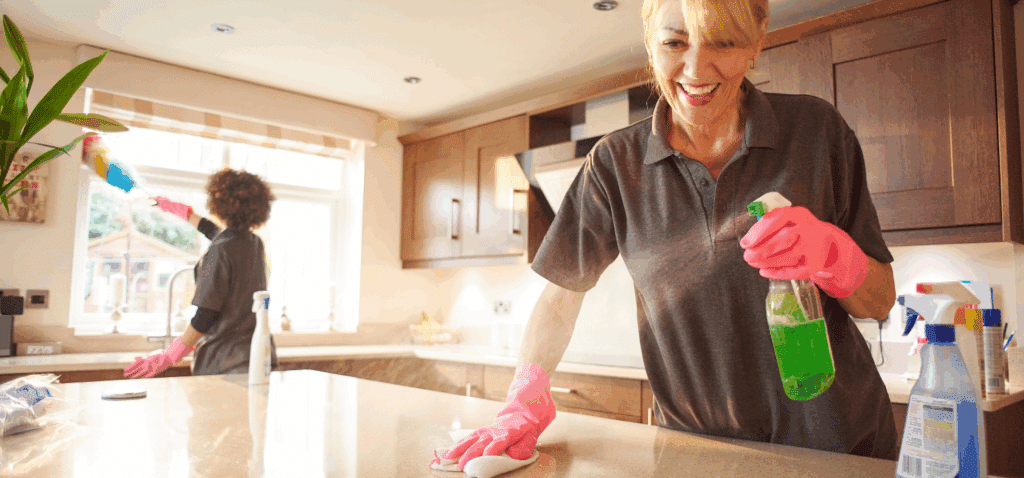
The Real Facts Behind Popular Cleaning Myths
Many household routines are shaped by advice that gets repeated over time. Not all of it is actually accurate or helpful.
Some beliefs about keeping a home clean sound logical, but they often create confusion or unnecessary effort in daily life.
Where Cleaning Myths Begin
Why Home Advice Gets Repeated Incorrectly
Cleaning myths usually start with habits passed down through family or friends. Over time, these ideas begin to feel like rules even when they are not proven.
They stick because they sound simple and easy to follow, even if they don’t match how real homes function day to day.
Commonly repeated ideas include:
- Cleaning more often always means better results
- A spotless home requires constant deep effort
- Certain messes fix themselves if ignored briefly
- Every home should follow the same routine structure
Where These Myths Show Up in Daily Life
Small Habits That Reflect Misconceptions
Myths often appear in everyday routines rather than major cleaning tasks. They influence how homeowners judge their own efforts.
This can lead to unnecessary pressure or unrealistic expectations about what a normal routine should look like.
Common signs include:
- Feeling like tasks are never fully “done”
- Over-cleaning certain areas unnecessarily
- Ignoring easier, more practical approaches
- Comparing routines with others too often
How Misconceptions Shape Home Routines
When Assumptions Replace Practical Habits
Many cleaning myths persist because they feel familiar. People continue using them simply because they have heard them for years.
Over time, this creates habits that are more based on assumption than actual household needs.
A few examples include:
- Doing tasks more frequently than needed
- Overcomplicating simple maintenance steps
- Believing stricter routines are always better
- Following rigid schedules without flexibility
Creating More Practical Home Expectations
Shifting Toward Realistic Daily Habits
Better home routines come from understanding what actually matters instead of relying on outdated beliefs. Small adjustments can improve consistency and reduce stress.
One helpful way to simplify routines is by using structured recurring cleaning support systems like this recurring home maintenance approach.
Frequently Asked Questions
What are cleaning myths in a home setting?
They are commonly repeated beliefs about cleaning that are not always accurate or necessary.
Why do cleaning myths continue to spread?
They are often shared through habit and sound believable, even without evidence.
Can cleaning myths affect daily routines?
Yes, they can lead to unnecessary effort or unrealistic expectations.
Do all homes need the same cleaning routine?
No, every home has different needs depending on lifestyle and usage.
How can homeowners identify a cleaning myth?
If a habit feels overly complicated or stressful, it may not be necessary.
Are frequent cleaning habits always better?
Not always—efficiency matters more than repetition in many cases.
What is the best way to simplify home habits?
Focusing on practical, flexible routines helps create more sustainable results.
Conclusion
Cleaning myths can quietly shape how homeowners approach daily routines, often creating more effort than necessary. Understanding what is truly needed helps build more balanced habits. Ruby Red focuses on helping homeowners develop realistic expectations around everyday home care without unnecessary complexity.